Introduction
From Tradition to Responsibility
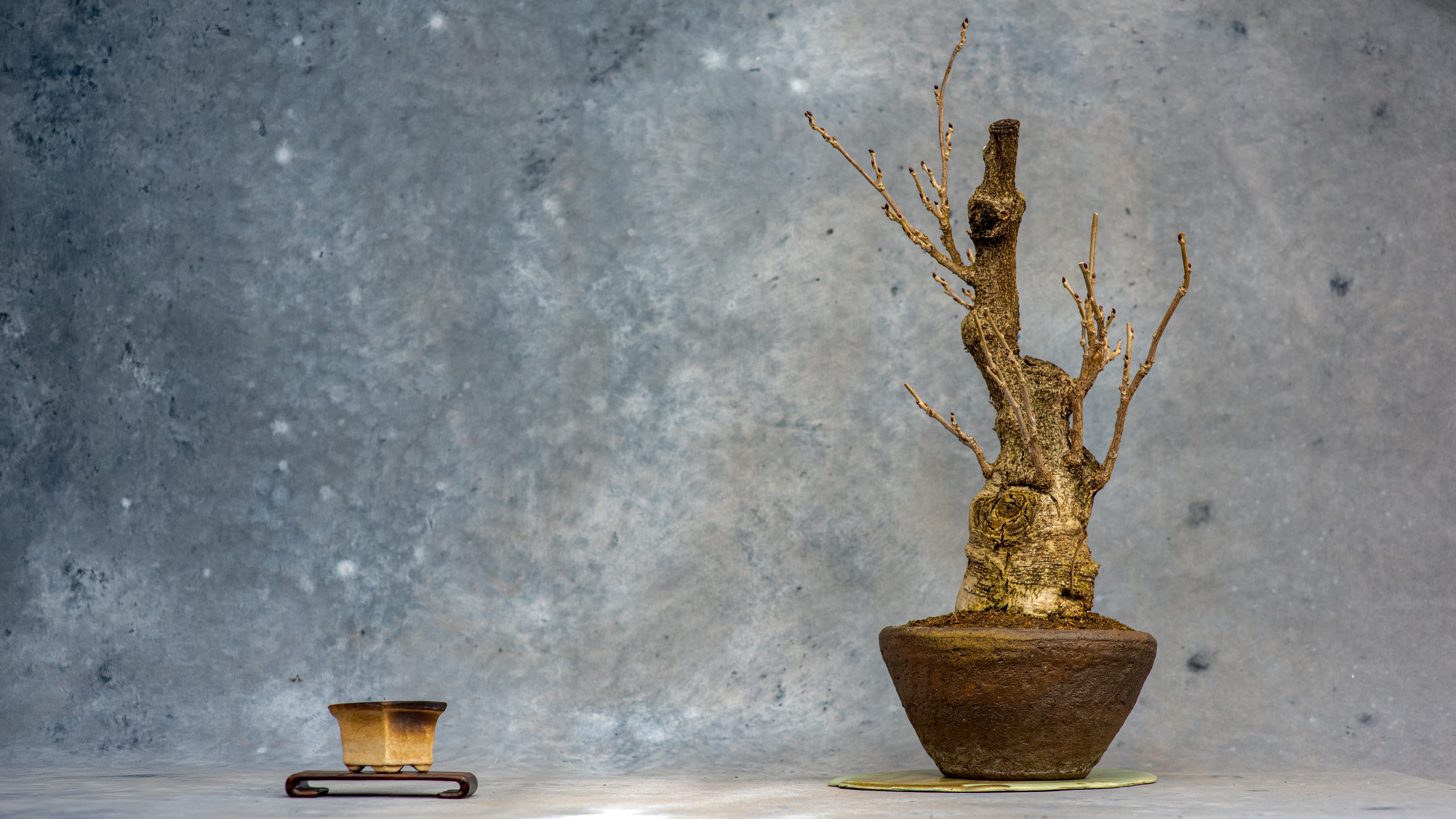
The Mă-Kè Bonsai Way began as a response to fragmented learning. Bonsai has a deep history of discipline, observation and beauty, yet modern practitioners often meet it through isolated techniques without the ecological and horticultural context that keeps trees alive.
As climate pressure, water scarcity, imported materials and changing growing conditions affect bonsai practice, the Academy has evolved toward a clearer framework: The Mă-Kè Bonsai Way 2.0.
The Mă-Kè Bonsai Way 2.0
This approach joins classical bonsai values with modern horticulture, regenerative thinking and structured education. It asks the practitioner to become a caretaker, observer, designer and student of living systems.
The Six Tenets
Harmony with Nature
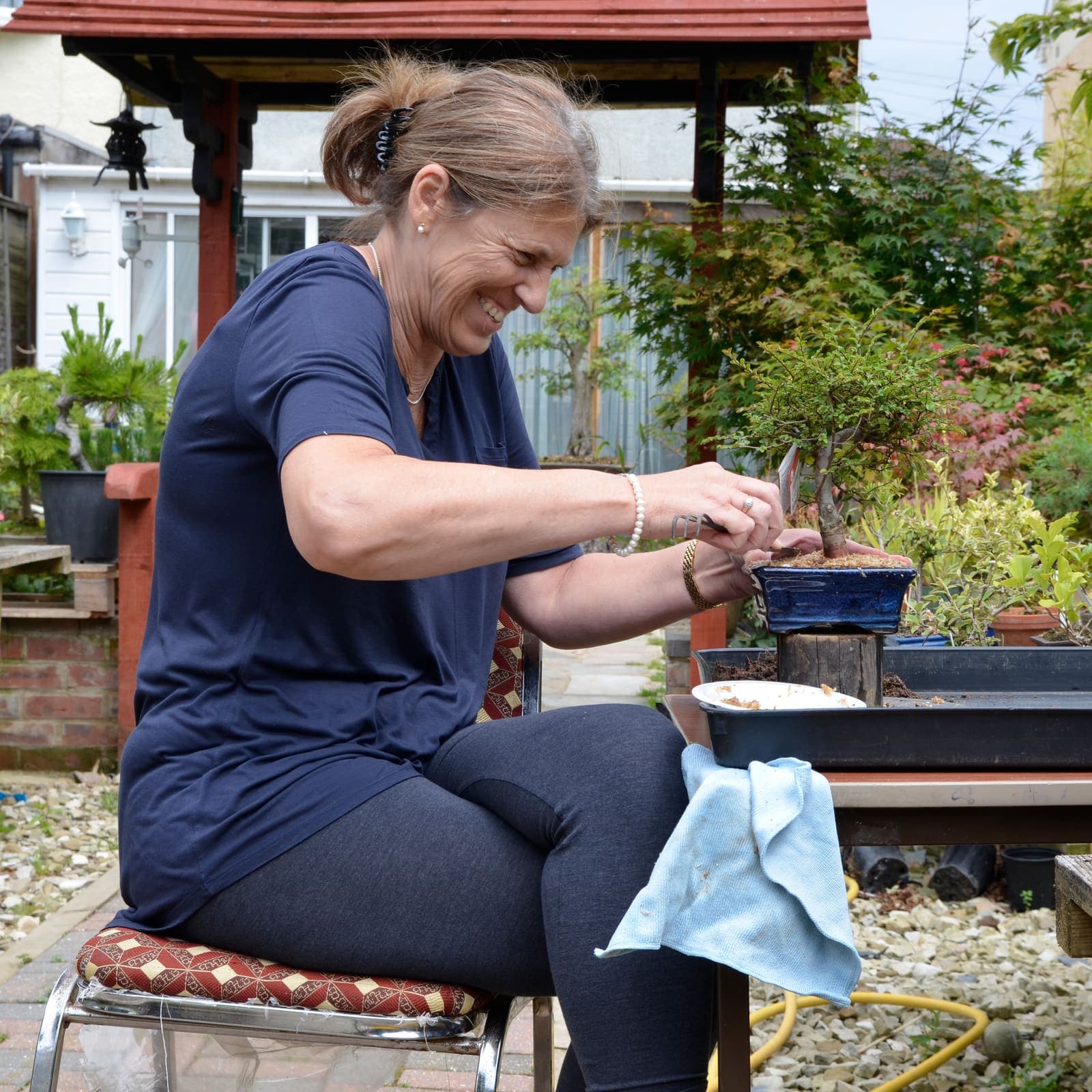
Work with the seasonal rhythm, climate and natural character of the tree rather than forcing an image onto living material.
Tree Vitality First
Health, roots, water, light and recovery come before styling ambition.
Respectful Styling
Design decisions should reveal the tree, not dominate it.
Continuous Learning
Every season teaches. Every response from a tree refines the practitioner.
Knowledge Sharing
Bonsai knowledge becomes stronger when it is documented, discussed and passed on responsibly.
Environmental Stewardship
The practice must respond to climate, resource use and ecological responsibility.
Applying the Mă-Kè Bonsai Way
The tenets become practical through repeatable principles that guide daily care, seasonal work and long-term design.
Observe before acting.
Protect roots and soil life.
Match technique to species and season.
Water as a horticultural decision, not a habit.
Build structure before refinement.
Use styling to support vitality.
Document work and tree response.
Share knowledge with humility.
Prefer sustainable materials and methods.
Learn from traditional practice and modern science.
Think in decades, not displays alone.
Vision for the Future
The future of bonsai education must be structured, generous and ecologically literate. Practitioners need certification pathways, care guides, a living journal, community support and places where theory returns to trees and land.

Author
Mark D'Cruz
Founder of Ma-Ke Bonsai Academy, educator and researcher focused on structured bonsai learning, tree health and ecological responsibility.