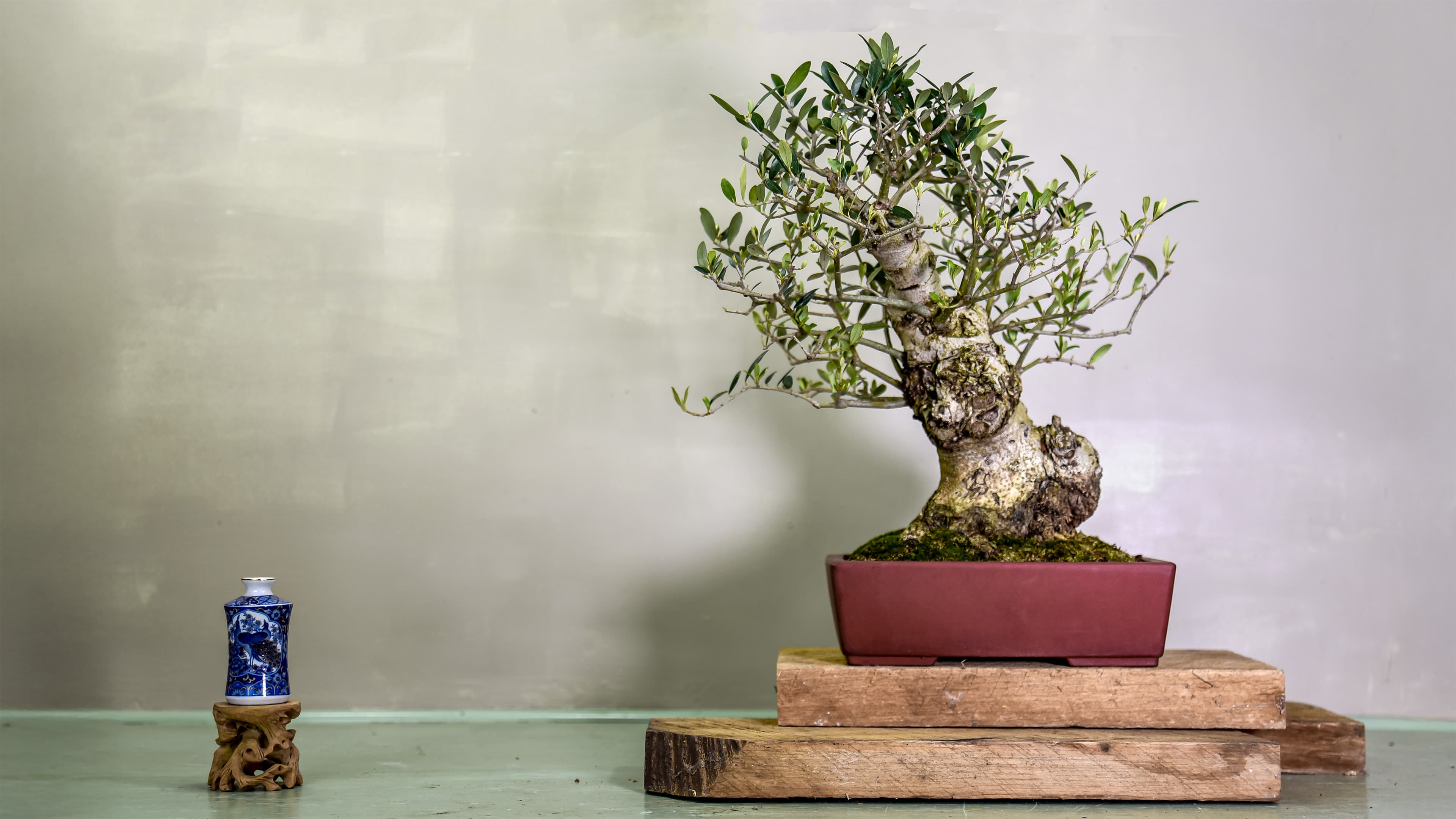
Begin with place
Mediterranean Is a Region, Not a Care Schedule
Mediterranean climates are commonly associated with warm or hot, dry summers and milder, wetter winters. The region is also highly varied. Altitude, distance from the sea, local wind, reflected heat and frost exposure can make two nearby gardens behave very differently.
A useful first step is therefore to map the conditions around your own bench, balcony or garden. The right tree in the wrong position is still the wrong choice.
Sun
Record when direct sun reaches the tree and how the pot is heated. Morning sun and exposed afternoon sun are not equivalent.
Wind
Notice prevailing winds, reflected heat and drying corners. A sheltered position can still need good airflow.
Water
Check water quality, drainage and who will water during an absence before choosing a collection size.
Winter
Identify frost pockets and exposed balconies. “Mediterranean” does not mean frost-free.
Right tree, right place
Choose by Site and Species
Climate suitability does not automatically make a species easy. Provenance, age, health, container depth and the care you can provide all matter. These are useful starting candidates, not a promise that every specimen will suit every Mediterranean site.
Olea europaea
Olive
Naturally occurring in Portugal and well suited to bright conditions. Container-grown roots still need attentive watering and protection from avoidable extremes.
Read the care guideQuercus suber
Cork Oak
Native in Portugal and valuable for learning long-term development. Use its care guide for species-specific timing rather than treating every evergreen alike.
Read the care guidePunica granatum
Pomegranate
Long cultivated in the region but introduced in Portugal. Flowering, fruiting and winter exposure all change its care requirements.
Read the care guideFig and stone pine are deliberately absent from this shortlist because their current Academy care-guide records are not active published destinations. They can be reconsidered after the separate species editorial review.
Hot-weather judgement
Plan for Summer Before Summer Arrives
Small containers can dry quickly, but watering by the clock is not a safe substitute for checking the tree and growing medium. Learn the change in pot weight, inspect moisture below the surface and water thoroughly when the tree needs it. Recheck exposed trees during hot or windy weather.
Shade should be a species- and site-specific decision. Protecting a pot and root zone from severe afternoon heat may be more useful than moving a sun-loving canopy into permanent shade. Arrange a tested watering system or a competent person before leaving trees unattended.
Local microclimate
Mild Winters Still Need Observation
Coastal, inland and upland sites can have very different winter minima. Check the care guide for the species and protect vulnerable roots from forecast frost, persistent cold wind and waterlogged conditions. Avoid moving outdoor trees into a heated room unless the species is genuinely tropical.
No universal recipe
Let Roots, Water and Species Guide the Decision
There is no single substrate formula or fixed two-to-three-year repotting cycle for every Mediterranean bonsai. Particle size, drainage, moisture retention and repotting interval should reflect the species, root condition, tree vigour, container and local watering conditions.
Repot because inspection and species knowledge show that it is needed, then follow appropriate seasonal timing and aftercare. The Foundation course develops the observation needed to make that decision safely.
A manageable beginning
Your First Season
Choose one healthy tree whose needs match the site you actually have.
Keep a simple record of position, watering, weather and the tree’s response.
Learn reliable daily care before carrying out major styling or root work.
Arrange summer watering and absence cover before the hottest period arrives.